How to see if you're owed a refund
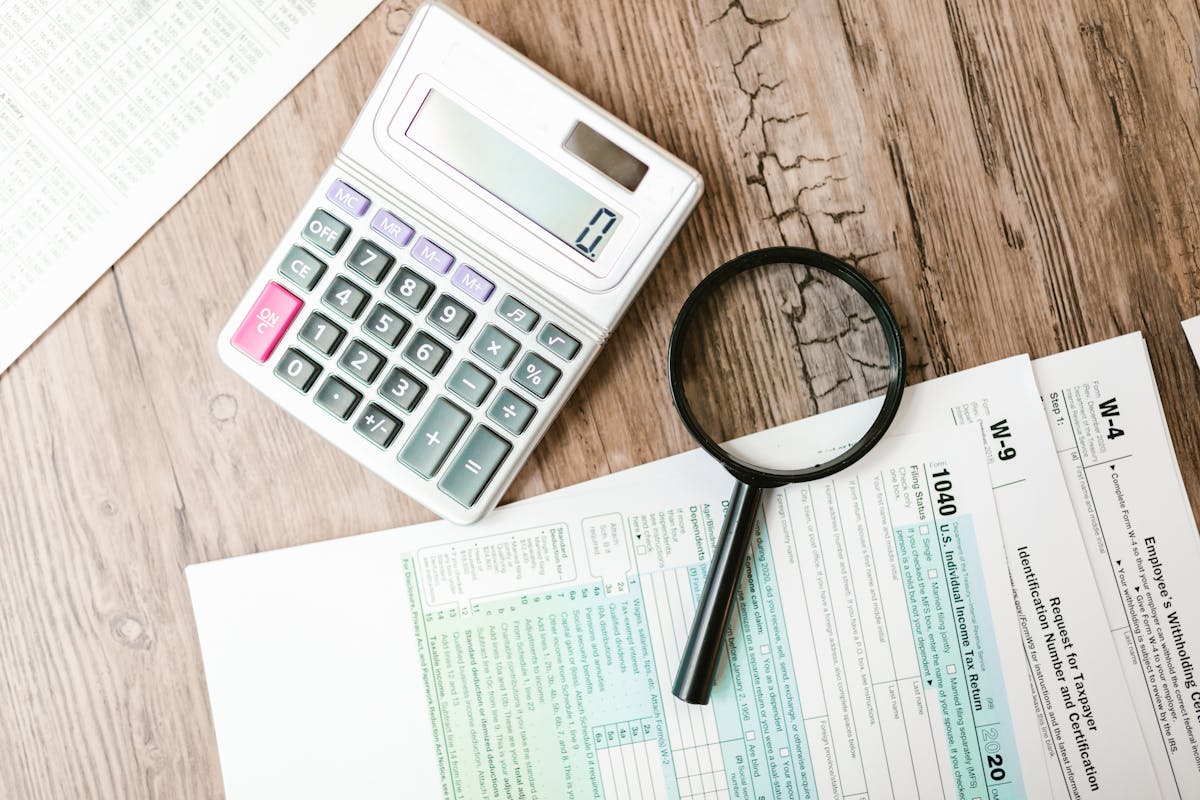
The quickest way to estimate your tax refund is to use a tax return calculator. You'll need details of your income and the tax already paid, which you can find on the income statement your employer provides after the end of the financial year. If you don't have this yet, you can estimate using your payslip figures annualised across the year.
Once you enter your wages, any additional income, and tax withheld, the calculator shows a summary of your earnings, an estimate of the tax you've paid, and an estimate of your refund — or the amount that may be payable if you've underpaid tax.
How much tax will I pay?
Australian income tax is levied at progressive rates. The lowest bracket is 0% — the tax-free threshold for individuals earning $18,200 or under. Rates increase progressively up to 45% for income above $190,000. The tax you actually pay also depends on factors including:
- Residency status (resident, non-resident or working holiday maker)
- Whether you have a HELP/HECS study loan
- Whether you hold private hospital cover
- Eligibility for offsets such as SAPTO or the Low Income Tax Offset
How to get a tax refund
To receive a refund you'll need to lodge an end-of-year tax return with the Australian Taxation Office (ATO), either online via myTax, by post, or through a registered tax agent. Returns must generally be lodged by 31 October following the end of the tax year. Depending on your circumstances you may not receive a refund at all — some people end up owing money if they've underpaid tax during the year.
Do bonuses or commissions affect my tax return?
Employers withhold tax from each pay cycle based on your regular earnings. A bonus or commission on top of your salary can push a pay cycle's withholding rate higher than your true annual marginal rate. When you lodge your return, your total annual earnings are assessed against total tax withheld — so if you were over-withheld across the year, you'll receive the difference back as a refund.